Fire does not wait for ideal conditions. When an alarm system sounds, the people who take on work with the feedback are wardens and chief wardens, and their training shapes what occurs next. The PUAFER005 course, formally titled Operate as component of an emergency control organisation, gives workers the capability to act as efficient wardens. Combined with PUAFER006 Lead an emergency control organisation for chief wardens and deputies, these nationally identified units sit at the heart of a practical emergency situation management structure in Australian workplaces.
I have trained wardens in workplaces, making plants, healthcare facilities, institutions, and logistics hubs. The concepts continue to be continuous, yet the application varies with design, occupant profile, and danger profile. The aim right here is to respond to the concerns people frequently ask about PUAFER005 and, where pertinent, PUAFER006, while sharing the context that aids you choose the ideal shipment mode, plan for evaluation, and obtain your certification sorted without surprises.
What PUAFER005 covers in real terms
PUAFER005 is about proficiency during the very first crucial mins of an emergency situation. That begins with understanding your function in the Emergency situation Control Organisation, usually called the ECO. The ECO framework is common throughout Australian workplaces, straightened to AS 3745 Preparation for emergency situations in centers, and it typically includes a chief warden, deputy principal wardens, communications police officers, and area or floor wardens. The unit concentrates on the warden duties as opposed to the leader function, which is the domain name of PUAFER006.
Participants discover exactly how to recognise and report emergency situations, raise alarm systems, execute discharge treatments, and assist with certain passenger requirements. The emphasis is out heroics, it is on regular activities that conserve time and minimize complication. You discover just how to move a location, just how to take care of stairwells, when to separate power or plant, and how to communicate with the chief warden plainly under pressure. Genuine worth comes from drilling these activities till they really feel regular, since real events really feel anything yet routine.

A recurring question develops regarding equipment use. Wardens are not trained as firemans. The course covers first attack fire equipment at an awareness degree. RTOs may offer fire extinguisher training as a complement or a different system. I recommend consisting of a functional extinguisher component when the center has danger of incipient fires, such as little electrical or kitchen fires, however it needs to never compromise the prime duty to increase the alarm and evacuate safely.
Who needs it, and just how frequently to refresh
Any work environment that runs under AS 3745 need to have an ECO, and that ECO requires trained participants. If you are asked to be a fire warden or a deputy, PUAFER005 is the baseline. In higher threat atmospheres, facilities fire warden training programs frequently need a lot more substantial training or combine PUAFER005 with site-specific components that attend to dangerous chemicals, complicated plant shutdown, or high occupant loads.
Refreshers issue. Individuals fail to remember, groups transform, and buildings progress. A lot of organisations set a refresher course cycle of 1 to 2 years for wardens and 1 year for chief wardens. The standard ask for routine training and emergency situation feedback exercises as opposed to a dealt with timeframe, yet in technique, a yearly drill plus an official refresher course every 12 to 24 months maintains skills existing and shows due persistance. After we ran two back-to-back evacuations in a high-rise due to duds, the structure supervisor shifted to a yearly refresher since it sharpened the ECO's sychronisation and reduced evacuation time by almost 3 mins flooring to assembly.
Duration: for how long the PUAFER005 course takes
Expect 3 to 6 hours for PUAFER005, consisting of evaluation. The spread depends upon delivery setting, group size, and just how much site-specific content is folded in.
Shorter sessions, around half a day, usually suit reduced complexity websites with straightforward emptying paths and certified emergency plans. Longer sessions add richer scenario work, risk recognition walk-throughs, and interaction drills. If you are incorporating PUAFER005 with extinguisher technique, add 45 to 90 mins to enable safe live-fire or simulator usage and appropriate coaching.
PUAFER006, targeted at chief wardens and replacements, generally takes 4 to 7 hours. The extra time covers decision-making under uncertainty, liaison with emergency solutions, incident logging, communication protocols, and management during interruptions like lift mistakes or blocked egress.
Some RTOs provide mixed styles, where concept is finished online and practical assessment runs onsite. This can shorten the moment far from workstations while protecting hands-on parts. Mixed styles work well for multi-site organisations that desire uniformity in web content yet must tailor the useful segment per building.
Cost: what you ought to budget
For public courses, PUAFER005 frequently beings in the AUD 120 to 220 range each. Exclusive group bookings range in a different way. Spending plan around AUD 800 to 2,500 for a half-day team session depending on travel, group dimension, and customisation. Including extinguisher training or bespoke scenarios bumps expenses. The costs for onsite training is frequently justified by better transfer of discovering, since the practicals run in the hallways, stairwells, and assembly locations your team will certainly make use of in a real event.
PUAFER006 pricing is usually somewhat higher provided the added intricacy, typically AUD 150 to 300 for public courses or proportionally much more for personal sessions. If you see rates far listed below these varieties, ask what is consisted of, just how analysis occurs, and whether the RTO is correctly registered to release the device of competency.
A narrow factor on value: the least expensive option is not constantly cheaper. After an event, insurance companies and regulators will search for evidence of an operating ECO, records of training, and exercise outcomes. A supplier that records presence, analysis results, and pierce observations will certainly conserve you time if you require to show compliance.
Entry demands and practical adjustments
There are no official scholastic requirements for PUAFER005. Participants require the physical capability to relocate with a facility and the communication skills to give and obtain directions under tension. That claimed, affordable adjustments can suit numerous requirements. In a distribution center where we had a warden with minimal mobility, we designated them to the interactions duty and maintained them in the control factor throughout emptyings. They stood out at tracking owner counts and taking care of radio web traffic, and we recorded the role allotment to satisfy the performance criteria.
Language, proficiency, and numeracy demands are functional as opposed to technological. You need to be able to read signage, analyze a floor plan, and make use of a two-way radio or phone succinctly. If English is a 2nd language, an excellent instructor will enable additional time, deal aesthetic triggers, and utilize plain speech without compromising the assessment standard.
Assessment: what you will actually do
Assessment for PUAFER005 is competency based. It consists of an understanding element and a useful demo. The understanding part usually entails short-answer concerns or scenario-based triggers that cover alarm system kinds, ECO roles, evacuation strategies, communication protocols, and hazards such as smoke spread and stairwell congestion. It needs to not really feel like an academic exam, however it will certainly test whether you can recall and use the essentials.
The useful element matters more. Anticipate to carry out a move of a marked area, record to the chief warden, manage a blocked leave circumstance, and aid a mock passenger with details needs such as flexibility or hearing disability. You will certainly utilize boom boxes or a phone tree, run under time stress, and adjust as the scenario develops. The assessor seeks conformity with treatments, calm interaction, and appropriate prioritisation. People in some cases over-focus on gathering personal equipment before starting a sweep. You learn to leave bags behind, grab a high-visibility warden identifier, and act.
For PUAFER006, the analysis includes control factor control, logging choices, accelerations, and liaison with attending fire staffs or safety and security. Candidates lead warden teams, designate jobs, take care of contrasting records, and make a decision when to commence or customize evacuation.
Certification: what you obtain and for how long it lasts
On successful conclusion of PUAFER005, you receive a Declaration of Achievement for the unit PUAFER005 Operate as part of an emergency control organisation from a Registered Training Organisation. This document shows the system code, your name, the RTO code, issue date, and any type of co-delivered systems. Most RTOs also release a wallet card or digital badge for comfort, however the Statement of Attainment is the official record.
There is no nationwide expiration date attached to the unit. Companies and center managers set refresh periods with their emergency planning processes. As a rule of thumb, keep your training within the previous two years for wardens and one year for chief wardens. If your website changes significantly, such as a new fit-out, different lessee mix, or a move to a brand-new structure, retraining and re-familiarisation should occur no matter dates.
Fire warden requirements in the workplace
An operating ECO does not occur by mishap. Consultations need to be formal, with function summaries, alternates for absences, and coverage throughout all occupied locations and changes. Daytime workplace towers can lean on volunteer wardens attracted from flooring populaces, while 24-hour facilities such as medical facilities and information facilities need to plan for continuous insurance coverage, including nights and weekends.
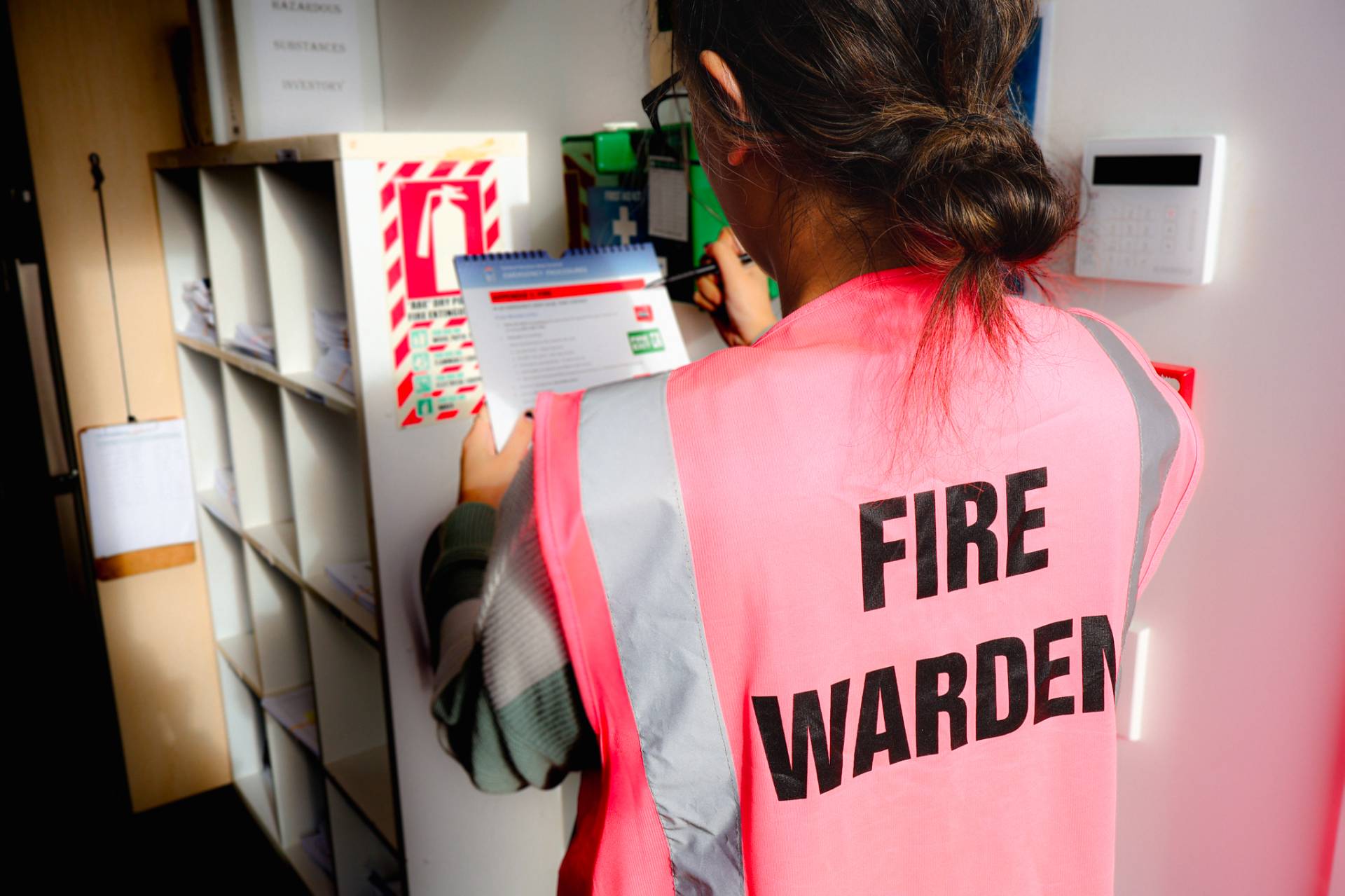
Documentation underpins conformity. Keep a current list of wardens and primary wardens, layout with areas, assembly locations, and sanctuaries, records of training and drills, and a timetable for exercises. Lots of organisations go for least two evacuation works out a year, one full emptying and one desktop or partial exercise, to keep the ECO sharp without over-disrupting operations.
The cultural side matters as a lot. Wardens need assistance to apply no-lift policies throughout evacuations, obstacle hazardous habits like propping fire doors, and preserve clear egress courses. Elderly leaders established the tone by participating in drills and recommending the ECO's instructions.
Fire warden training needs and material detail
Good fire warden training is functional and site-aware. Generic slides alone do not prepare individuals for an obstructed stairwell. Training must walk through:
- Your alarm system's tones and voice messages, including any kind of organized discharge logic. Primary and additional egress courses, plus exactly how to take care of endangered routes. Communication devices, such as walkie-talkies, internal phone systems, or public address. Special dangers, like research laboratories, battery rooms, cooking areas, or oxygen storage. Occupant support requirements, consisting of buddy systems for wheelchair, vision, or hearing assistance.
This checklist is short for quality below, yet in technique, you will map it to your structure and run a circumstance that compels choices. An unforgettable example included a skyscraper with two scissor staircases. We simulated smoke in one. The warden team needed to turn around instructions and redirect occupants mid-flow. The chief warden used the PA to instruct floors in stages, avoiding congestion. Later on, the structure administration readjusted signs and educated an alternate marshalling plan for that particular failure mode.
Warden identifiers, hats, and the question of colour
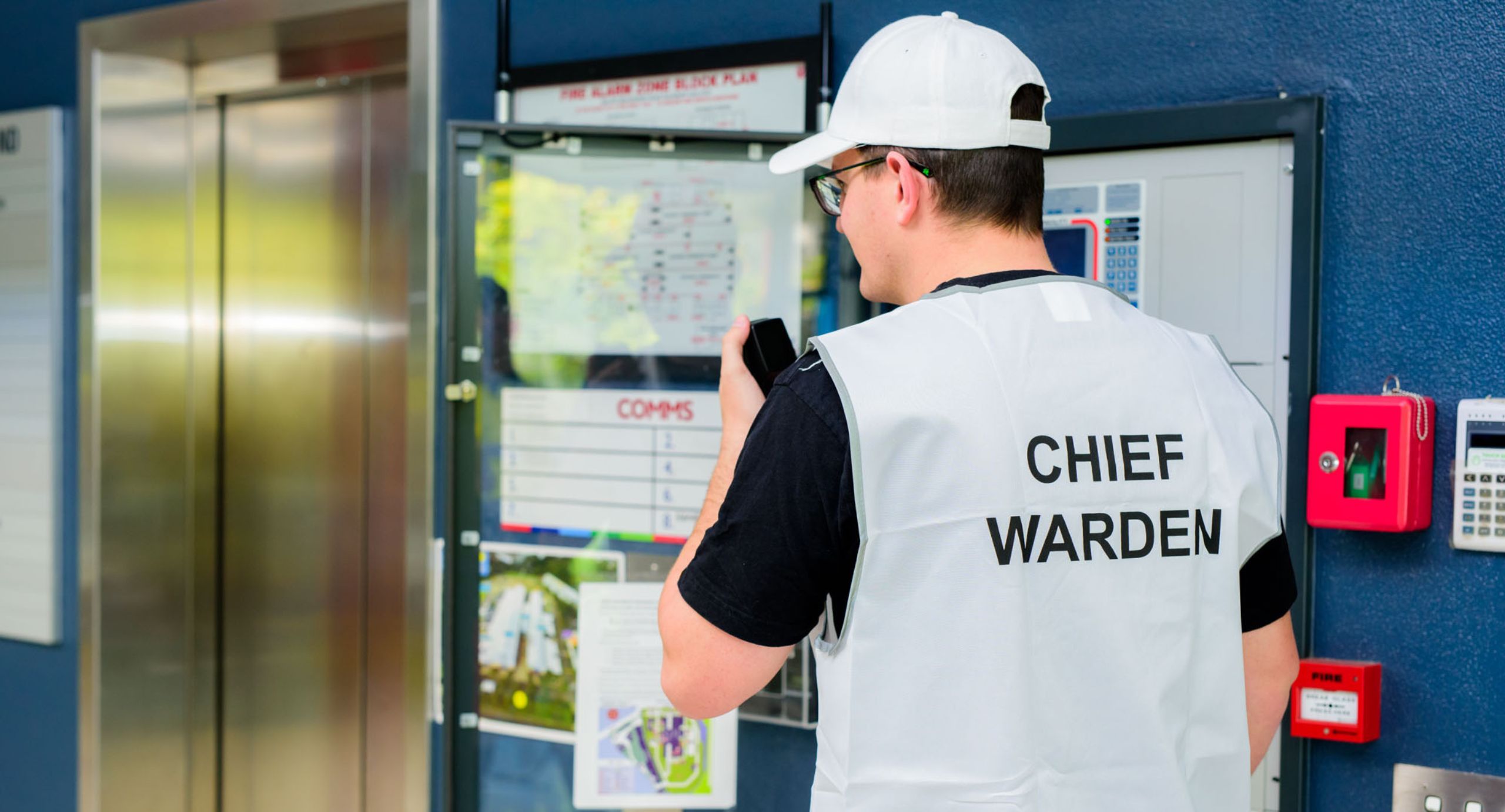
People typically inquire about fire warden hat colour and what colour helmet a chief warden must wear. In Australia, the convention derived from AS 3745 is that wardens use red identification, usually a red safety helmet or cap and a red high-visibility vest. Chief wardens wear white identifiers, such as a white safety helmet or vest. Communications police officers are typically yellow. Replacement chief wardens often use white with a red stripe or a tag showing the duty. Check your site plan, because some organisations make use of caps and vests rather than tough safety helmets, especially in workplace environments.
The factor is visibility and role recognition, not tradition. If a firefighter shows up in turnout equipment, they will certainly search for the chief warden instantly. An ordinary white chief warden hat or vest classified plainly saves seconds. In low-light scenarios or huge groups, visibility strips on vests and door hangers for left areas make life easier.
PUAFER005 versus PUAFER006, and when to take each
If you function as a location or flooring warden, PUAFER005 is your training course. It prepares you to perform the strategy, assistance occupants, and feed information to the control point. If you lead the ECO as chief warden or replacement, PUAFER006 is the appropriate unit. Many chief wardens full both: PUAFER005 to internalise the warden viewpoint, and PUAFER006 to find out management, sychronisation, and decision-making under stress. In multi-building websites, primary wardens may additionally obtain additional training on combination with safety control rooms, building administration systems, and hydrant or lawn sprinkler isolation procedures, though those topics rest beyond the official system outcomes.
Delivery layouts: onsite, public, and blended
Public courses suit people from smaller workplaces or those replacing a solitary warden. The benefit is foreseeable organizing and lower per-person price. The gap is that practicals occur in a common training space rather than your site.
Onsite courses, provided by an RTO at your facility, offer the very best knowing transfer. Wardens method on your floors, use your radios, and stroll your stairwells. The instructor can incorporate your emergency situation strategy, your building's alarm hints, and your setting up points. The ECO reaches collaborate, which exposes gaps you can take care of instantly. The compromise is the need to obstruct time for several team and collaborate with occupants if you share space.
Blended formats separate theory from method. Participants total online components covering meanings, roles, and general procedures, after that attend a brief useful at the website. This decreases downtime and maintains the sensible concentrated. It works well yearly for refreshers, with a complete onsite session every second cycle to bring brand-new team fully into the fold.
What a good sensible session feels like
A proficient fitness instructor will certainly establish a circumstance that really feels somewhat unpleasant however safe. Radios will certainly snap with insufficient info. A lift switch will certainly be taped off to compel stairway usage. A person will certainly play the function of a confused visitor that intends to fetch a bag. The chief warden will have to select between awaiting more info and initiating a staged emptying. Later, there must be a debrief. That is where the discovering lands. We note what worked, what was sluggish, and what will certainly transform in the plan. If your practicals do not consist of debriefs, you are missing out on half the value.
Common errors and just how to avoid them
New wardens typically try to repair problems solo. The much better approach is to report early, rise emerging problems, and maintain your very own safety. An additional common error is incomplete sweeps, specifically in washrooms, stockrooms, or second conference room. A straightforward strategy helps: touch each doorframe with the rear of your hand when you inspect within, after that hang a standard door tag that shows the area is clear. Finally, communication technique issues. Use brief transmissions, confirm important messages, and avoid chatter. If you are the chief warden, keep a log also if it is harsh. It helps throughout the event and throughout the review.
Integrating special threats and occupants
Every center has peculiarities. A construction plant may require procedure cards for isolating machinery mid-cycle. A hospital has to coordinate with medical groups to delay or series evacuations based on individual skill. An institution might have several setting up points and lockdown choices depending upon the threat. Your PUAFER005 or PUAFER006 course need to touch these truths, also if they rest a little outside the generic device web content. The most effective instructors welcome site reps to co-facilitate those components, making sure accuracy and regional ownership.
Support for occupants who need support should not be impromptu. Friend systems, haven factors, discharge sleds for stairwells, and interaction boards or applications for hearing-impaired owners all need preparation and technique. Throughout one drill in a mixed-use building, we knew the discharge sled was saved behind a keypad door that not all wardens can open up. We dealt with access, added a 2nd sled on the opposite side of the core, and updated duty cards so the nearby warden grabbed it throughout sweeps.
Records, conformity, and what auditors look for
Keep 3 things in order: existing plans, training records, and workout outcomes. Strategies need to show actual layouts, with precise flooring numbering, renter names, and upgraded setting up areas. Training records must note that finished which unit and when, including PUAFER005 for wardens and PUAFER006 for primary wardens, plus any kind of extinguisher training. Workout results should capture times, issues, corrective actions, and obligations. When a regulator or insurer evaluations your configuration, clear documents reduce inquiries and reveal that the ECO is not just a listing of names on a wall chart.
Where extinguishers fit, and when to use them
First assault fire combating is a subject that is entitled to regard. The best default remains alarm system, evacuate, and only then think about fighting a small, included fire if you are educated and it is risk-free to do so. Extinguisher choice need to match the fire class. For instance, do not use water on an electric or flammable liquid fire. Lots of work environments choose to integrate live-fire training with water and foam on regulated pans, and use laser or CO2 simulators for electric fires inside your home. Practical extinguisher boring constructs self-confidence, but it ought to never ever compromise evacuation priorities or send inexperienced personnel into smoke.
The chief warden hat, responsibilities, and training path
Chief wardens lug the burden of control. Using the white chief warden hat or vest is symbolic, however the responsibilities behind it are concrete: get and validate alarm system info, decide discharge range and timing, notify emergency solutions, manage interactions to floor wardens and passengers, screen progress, and adjust when conditions transform. PUAFER006 formalises these jobs and offers a framework for decision-making under stress. Chief fire warden duties likewise include post-incident evaluations, strategy updates, and making sure the ECO continues to be staffed and educated. Some organisations assign a chief emergency warden with broader remit across numerous hazards, not simply fire, which still lines up with the system's intent however increases the planning horizon.
If you are thinking about the chief warden function, complete PUAFER005 first if you lack warden experience, then PUAFER006. Shadow the existing chief warden during drills, and practice running desktop computer simulations. A certain chief warden steadies the whole building.
Scheduling, shift protection, and maintaining momentum
Workplaces with revolving changes need to plan ECO coverage throughout the week, not simply 9 to 5. This can call for additional wardens on evening and weekend break lineups. In logistics and production, we often set a quarterly mini-drill at shift handover to confirm that is on obligation, radios are billed, and assembly area illumination functions. Small touches like billing cradles near the control factor and laminated quick-cards in warden kits repay throughout genuine incidents.
How to choose a training provider
Pick an RTO with a performance history in your sector. Inquire about fitness instructor experience, not simply the certificate. Instructors that have actually run huge emptyings or worked as center managers bring nuance you will not receive from slides. Ask just how they customize to your plan, what practicals they run, just how they examine communication abilities, and just how they record results. If you require both PUAFER005 and PUAFER006, validate they can deliver a mixed session for blended specific fire warden requirements roles while still examining each device correctly. Finally, inspect that they resolve fire warden requirements in the workplace in accordance with AS 3745, and that they can talk to chief warden responsibilities beyond the bare minimum.
A quick, sensible list for obtaining started
- Confirm your ECO framework and role insurance coverage throughout all floors and shifts. Book PUAFER005 for wardens and PUAFER006 for chief wardens or deputies. Update your emergency strategy, layout, and contact trees before training. Arrange radios, identifiers, and access to regulate points for the practical. Schedule a follow-up drill within 3 months to bed in abilities and repair gaps.
Final ideas from the training floor
Wardens are volunteers in numerous work environments, but their activities bring professional weight. The PUAFER005 course turns ready staff right into capable -responders who know just how to relocate people safely. The PUAFER006 course gears up leaders to make prompt choices and keep information flowing. Get the structures right: select appropriate duration and shipment, allocate quality, examine honestly, and preserve certification through routine refreshers. The rest is repetition, evaluation, and little enhancements that build up. When the alarm system appears for real, you will certainly rejoice for every single minute you bought preparation.
Take your leadership in workplace safety to the next level with the nationally recognised PUAFER006 Chief Warden Training. Designed for Chief and Deputy Fire Wardens, this face-to-face 3-hour course teaches critical skills: coordinating evacuations, leading a warden team, making decisions under pressure, and liaising with emergency services. Course cost is generally AUD $130 per person for public sessions. Held in multiple locations including Brisbane CBD (Queen Street), North Hobart, Adelaide, and more across Queensland such as Gold Coast, Sunshine Coast, Toowoomba, Cairns, Ipswich, Logan, Chermside, etc.
If you’ve been appointed as a Chief or Deputy Fire Warden at your workplace, the PUAFER006 – Chief Warden Training is designed to give you the confidence and skills to take charge when it matters most. This nationally accredited course goes beyond the basics of emergency response, teaching you how to coordinate evacuations, lead and direct your warden team, make quick decisions under pressure, and effectively communicate with emergency services. Delivered face-to-face in just 3 hours, the training is practical, engaging, and focused on real-world workplace scenarios. You’ll walk away knowing exactly what to do when an emergency unfolds—and you’ll receive your certificate the same day you complete the course. With training available across Australia—including Brisbane CBD (Queen Street), North Hobart, Adelaide, Gold Coast, Sunshine Coast, Toowoomba, Cairns, Ipswich, Logan, Chermside and more—it’s easy to find a location near you. At just $130 per person, this course is an affordable way to make sure your workplace is compliant with safety requirements while also giving you peace of mind that you can step up and lead when it counts.